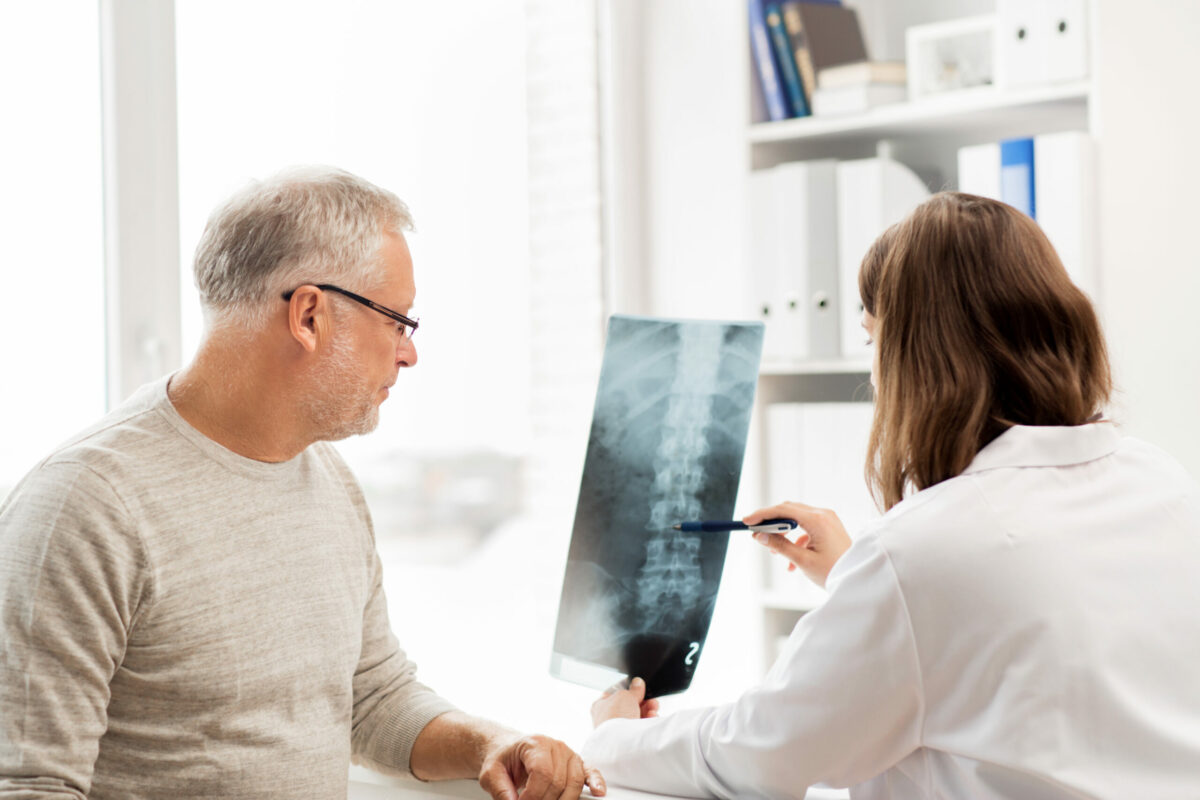
Spinal fusion surgery can be a transformative procedure that adds stability to your damaged spine and significantly reduces back pain. There are a number of significant benefits and newfound freedoms that spinal fusion surgery can provide, as well as many examples of individuals who have not only recovered but also returned to their favorite activities – including professional sports.
Patients often ask whether there are any permanent restrictions after spinal fusion surgery. While certain limitations may persist, they can often be overcome over time with physical therapy and training. Most importantly, spinal fusion surgery most often results in complete recovery and relief from chronic pain.
 Benefits of Spinal Fusion Surgery
Spinal fusion surgery is an advanced, precision medical procedure that can change your life for the better. It involves fusing two or more vertebrae in your spine to provide stability and alleviate pain. Here are some of the benefits:
Freedom from Chronic Pain
One of the most significant benefits of spinal fusion surgery is the potential for freedom from chronic back pain. Many patients experience excruciating pain prior to the surgery, which limits their ability to enjoy life to the fullest. After the procedure, the majority of patients report a significant reduction in pain, allowing them to participate in activities they once thought were impossible.
Return to Daily Activities
For most patients, spinal fusion surgery does not equate to a sedentary life. In fact, it often serves as a pathway to a more active and fulfilling lifestyle. The misconception that spinal fusion means permanent restrictions is far from the truth. Patients typically regain the ability to perform their daily activities without any major hindrance.
Pursuing Athletic Dreams
One of the most inspiring aspects of spinal fusion surgery is that it enables individuals to pursue their athletic dreams. Contrary to common belief, you don’t have to give up on sports or physical activities after the procedure. Many athletes have successfully returned to their favorite sports, even reaching professional levels.
Spinal Fusion Surgery Recovery
Back fusion surgery is about liberation, not restrictions. While it’s essential to follow your doctor’s recommendations during the recovery period, the ultimate goal is to help you return to a life without limits. Here’s what your recovery includes:
Focused Rehabilitation: After surgery, you’ll work closely with a physical therapist to strengthen your muscles and improve your mobility. This rehabilitation process is designed to help you regain your independence and confidence.
Individualized Care: Every patient’s situation is unique, and your post-surgery experience will be tailored to your specific needs and goals. Spinal experts will work with you to create a personalized plan for recovery and beyond.
Lifelong Support: Your surgery and recovery team will provide ongoing support and guidance throughout your recovery and the follow-on months.
Returning to What You Love: The real benefit of spinal fusion surgery is that it allows you to return to the activities you love. Whether it’s playing sports, gardening, dancing, or simply enjoying a pain-free life, you’ll be back to an active life soon after the surgery.
Advances in Technology Improve Spinal Fusion Recovery
Extensive scientific research and development have gone into improving fusion surgery outcomes and a patient’s healing process and recovery time. From titanium implants to nanotechnology, these technological advancements improve the overall surgery outcome and recovery. Listen to Dr. John Hicks—a board-certified back, neck, and spine surgeon at EmergeOrtho—as he discusses the advancements in spinal fusion technologies and how they can improve your recovery from surgery.
At EmergeOrtho—Blue Ridge Region, our dedicated team of spinal experts have improved many of our patients’ lives and activity levels, leaving them WITHOUT permanent restrictions after the fusion surgery and WITH a much improved future. If you are considering spinal fusion, you owe it to yourself to discuss your situation with the top, technologically advanced spine surgeons in the Blue Ridge Region. Request an appointment here and Emerge Stronger. Healthier. Better.